


Services

Assays designed around your
molecule — not a generic panel

Lead with the custom fit. Best for atypical molecules (bsAbs, ADCs, Fc-engineered mAbs) that break stock assay templates.


  • Potency & MoA
    bioassays
  • ADCC · CDC · ADCP
    effector panel
  • Binding · internal.
    cytotox for ADCs
  • NAb / ADA cell-based

Where Bioassay Timelines Bottleneck Programs

Why biologics programs
stall on CBA

Cell-based assays are the mandatory functional read for every biologic — potency for release, effector function for MoA, NAb for the regulatory package.

Three places that requirement quietly costs programs their target date.

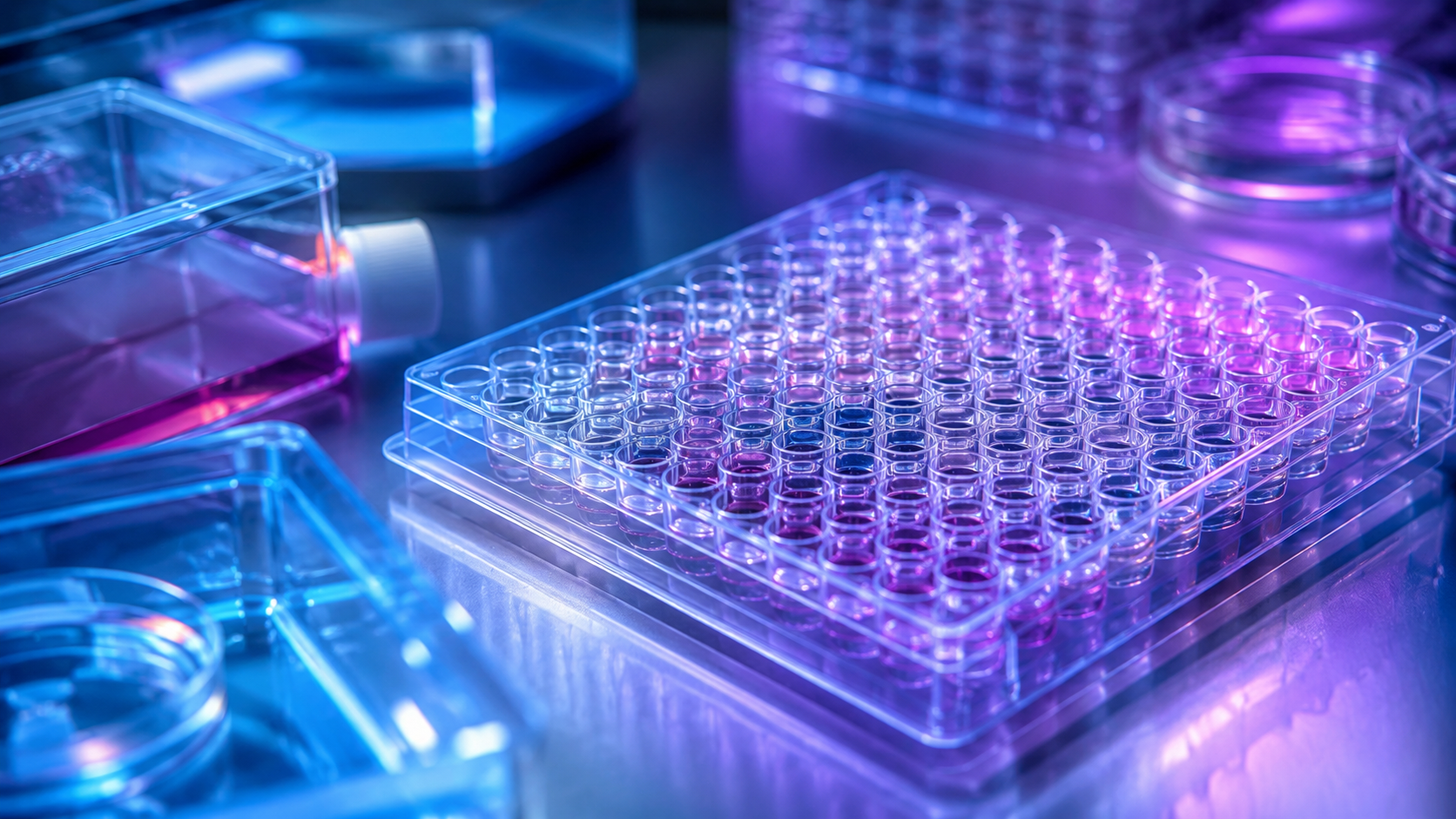
Scientists working in the Celltheon laboratory

Four Assay Families

The biologic assays
we build and run

Every family below covers assay development, qualification, and routine sample runs. Reporter-gene, primary-cell, and effector-cell readouts as fit the molecule.

  1. Bioassays / Potency

    Batch release · MoA confirmation

    • Reporter-gene potency assays
    • Proliferation / apoptosis readouts
    • Signaling pathway activation panels
    • Relative potency vs reference standard
  2. Fc Effector Function

    ADCC · CDC · ADCP

    • ADCC with primary NK or reporter effector
    • CDC with human complement + target cells
    • ADCP with macrophage / monocyte effectors
    • Fc engineering variant screening
  3. ADC-Relevant Assays

    Binding · internalization · cytotox

    • Target-cell binding by flow cytometry
    • Antigen internalization kinetics
    • Tumor-cell cytotoxicity (dose-response)
    • Bystander killing readouts
  4. NAb / ADA Assays

    IND · BLA regulatory package

    • Cell-based neutralizing antibody assays
    • Anti-drug antibody screening + confirmation
    • Drug tolerance and titer characterization
    • Cut-point determination and reporting

Assay development
workflow

Every engagement runs through the same four-phase workflow. Method development starts as soon as reference material is in-house; routine sample runs continue for the life of the program.

  1. PHASE 1

    Scope & Feasibility

    • Molecule + MoA review
    • Cell line + readout selection
    • Reference standard sourcing
  2. PHASE 2

    Method Development

    • Assay format design
    • Signal window optimization
    • Draft protocol + robustness
  3. PHASE 3

    Qualification

    • Accuracy, precision, linearity
    • Range and specificity
    • Qualification report
  4. PHASE 4

    Routine Sample Runs

    • Batch release + stability
    • Comparability studies
    • Method transfer on request

One molecule, one team, from scope through routine release
— no handoffs between CLD, transient, and bioassay
Frequently Asked Questions

Quick answers
to common questions

Quick answers about SUPERCELL™.Quick answers about timelines, quality, and how to work with Celltheon.

View more answers

Discuss your molecule with our scientists

We don’t workaround — we innovate
and deliver

Explore whether OmniCHO™ is the right expression platform for your specific protein format.

Talk to a Scientist